
Straight to the point...
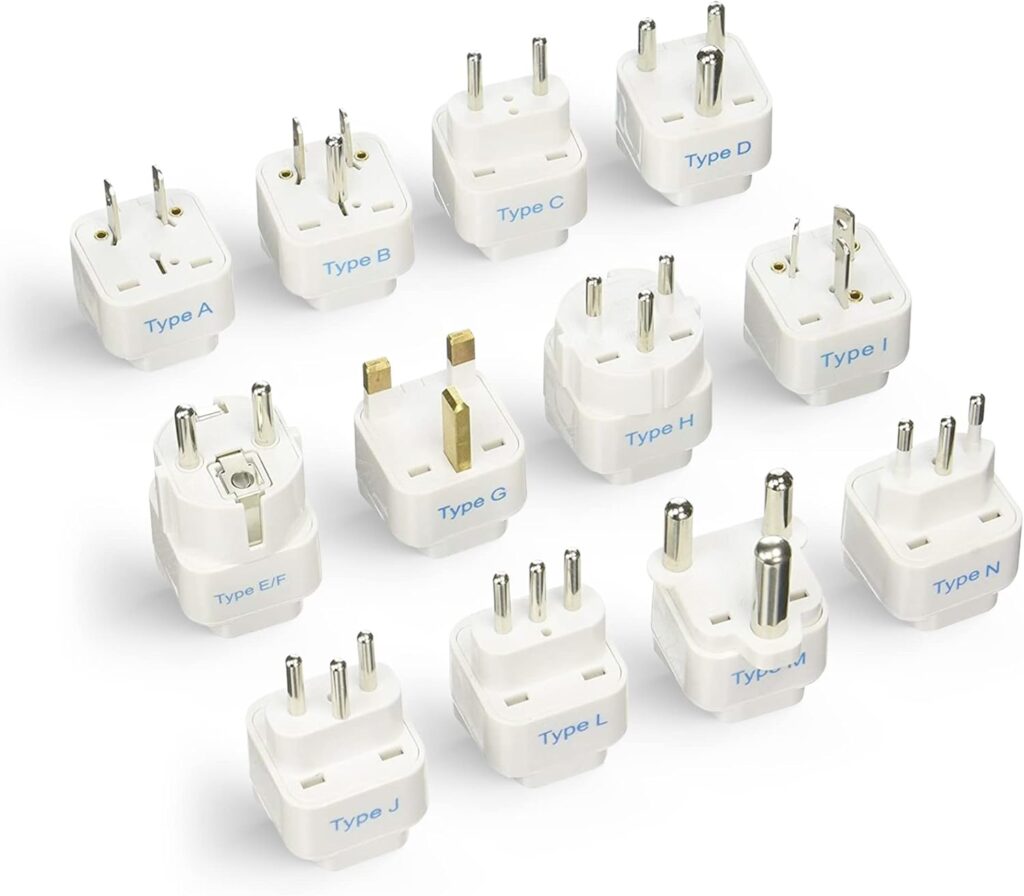
Outlet adapters allow you to plug your US devices (with Type A/B plugs) into other countries’ electrical outlets that use a different shaped plug. It is important to know the voltage of your device before plugging it in overseas to avoid damaging your device or starting a fire.
Now on the info you need…
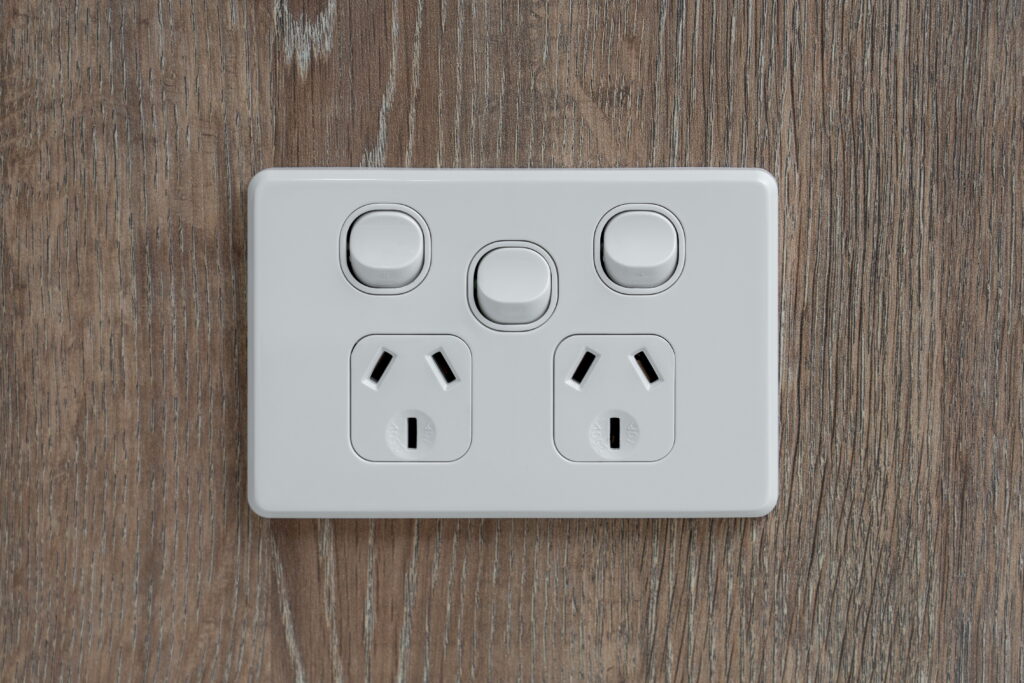
Devices manufactured for use in the US, Mexico, Canada, and Japan have a standard Type A (or Type B with the third grounding prong) plug. Other countries around the world use different types of outlets that require a plug of a different shape. If you are overseas, and need to plug in a device with a standard US Type A/B plug, you will need an adapter to adapt the shape of your US plug to the shape of the other country’s outlet. Adapters are only used to change the shape of your plug to match another country’s outlet. It is important to note that these adapters are NOT voltage converters.
What about voltage, dual voltage, and voltage converters?
I am a nurse and a travel blogger, not an electric genius, so will explain this in the simplest terms that even I can understand. In the US, our electric grid is built on 120 volts. Overseas, different countries built their electric grids on a different voltage, often 220 volts, 230 volts, or 240 volts.
Devices and appliance are manufactured for use specifically with 120V or 220/240V. It is very important to know the voltage of the electrical item you are trying to plug in. A device or appliance built with 120V for use in the US does not have the voltage capacity to handle the higher 220 or 240V coming from the outlet into the appliance in countries with 220/240V electric grids. This higher voltage coming from the outlet will likely damage your appliance, render it unusable, and may present you with some not-so-beautiful fireworks.
Check the appliance to see that it has the proper voltage before using it overseas. Most modern devices and appliances will generally have the voltage printed on the appliance. You might see “120V” printed on the side or bottom. Many modern devices and small appliances are now manufactured with dual voltage. You will see “120V/220V” or perhaps “120V/240V”, or perhaps it will say “dual voltage.” Dual voltage appliances can be safely used overseas with just an outlet adapter to fit your US type A plug into that country’s outlet.
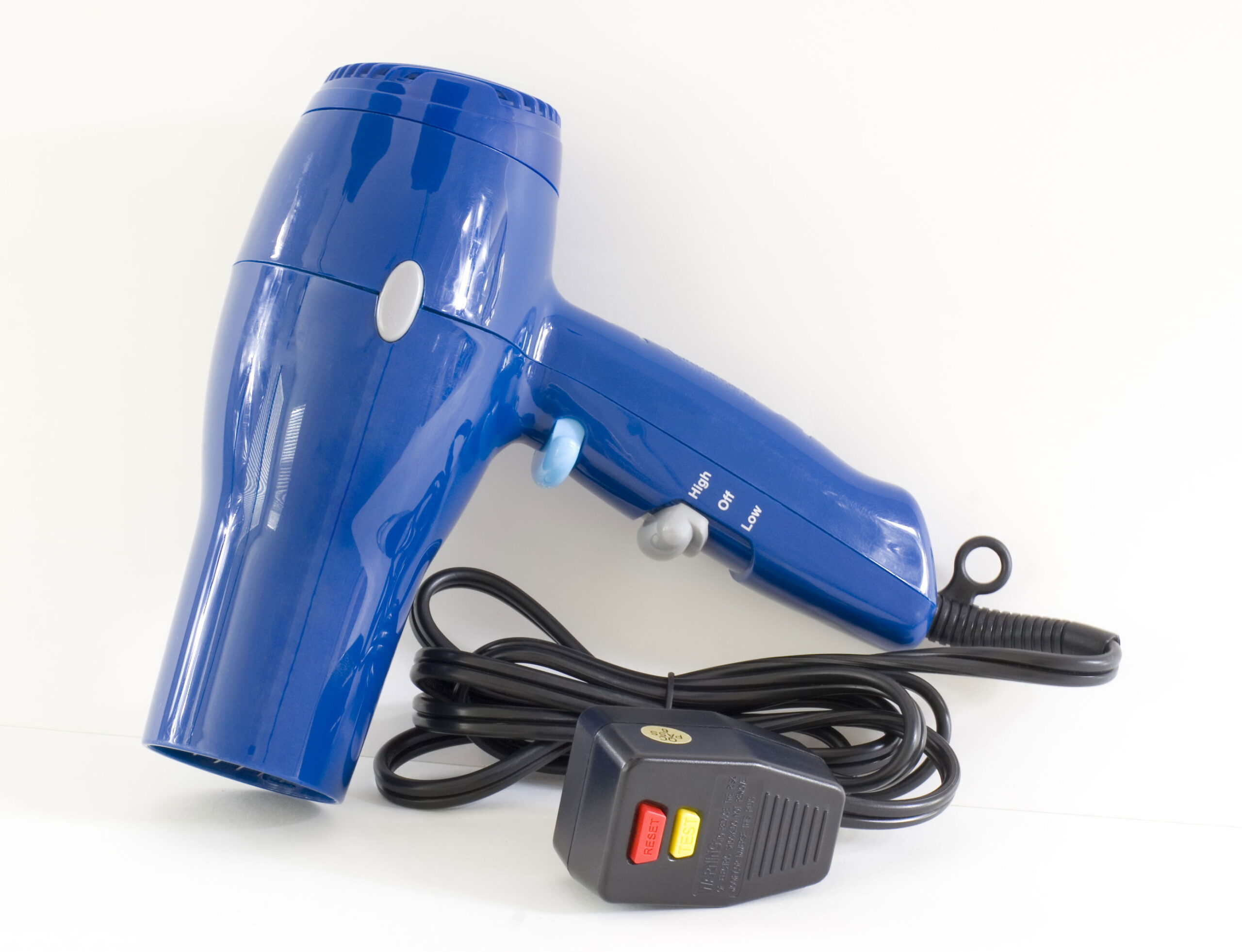
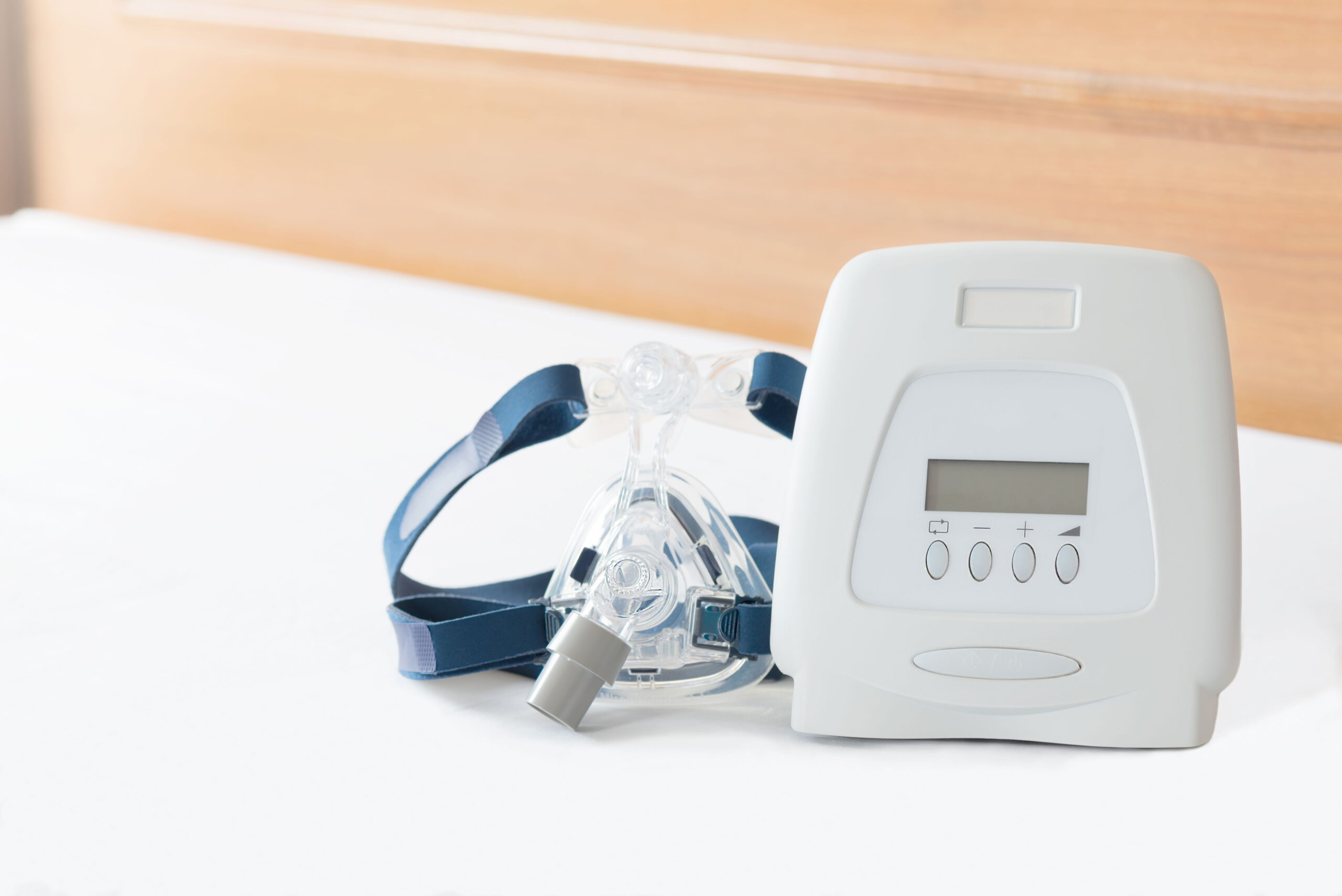
Hair dryers, curling irons, hair straighteners, and CPAP machines are examples of popular travel items that come in dual voltage. However, if you have an older appliance with a US Type A plug, and listed as 120 volts, this will not work overseas. You can physically plug it in using an adapter, but the appliance will not work properly. This is the scenario that will likely burn up the appliance, render it unusable, give you those lovely fireworks, and perhaps even start a fire, due to the higher voltage coming from the outlet into the appliance.
If you absolutely need to use an appliance overseas that has been manufactured for 120V and has a US Type A/B plug, you will need an outlet adapter AND a voltage converter to do so. Voltage converters step down the voltage from the outlet to match the voltage in the appliance’s wiring. You can buy a combined voltage converter and outlet adapter if needed. For most travelers with modern devices, an outlet adapter is all you will need. Please be certain of your appliance’s voltage before using an adapter.
Your safest and easiest bet is to use devices and appliances that are dual voltage while overseas. Another option is to purchase an appliance such as a hair dryer once you arrive at your destination overseas. My hair styling tool is dual voltage and has worked perfectly in Europe and Africa.

USB cords
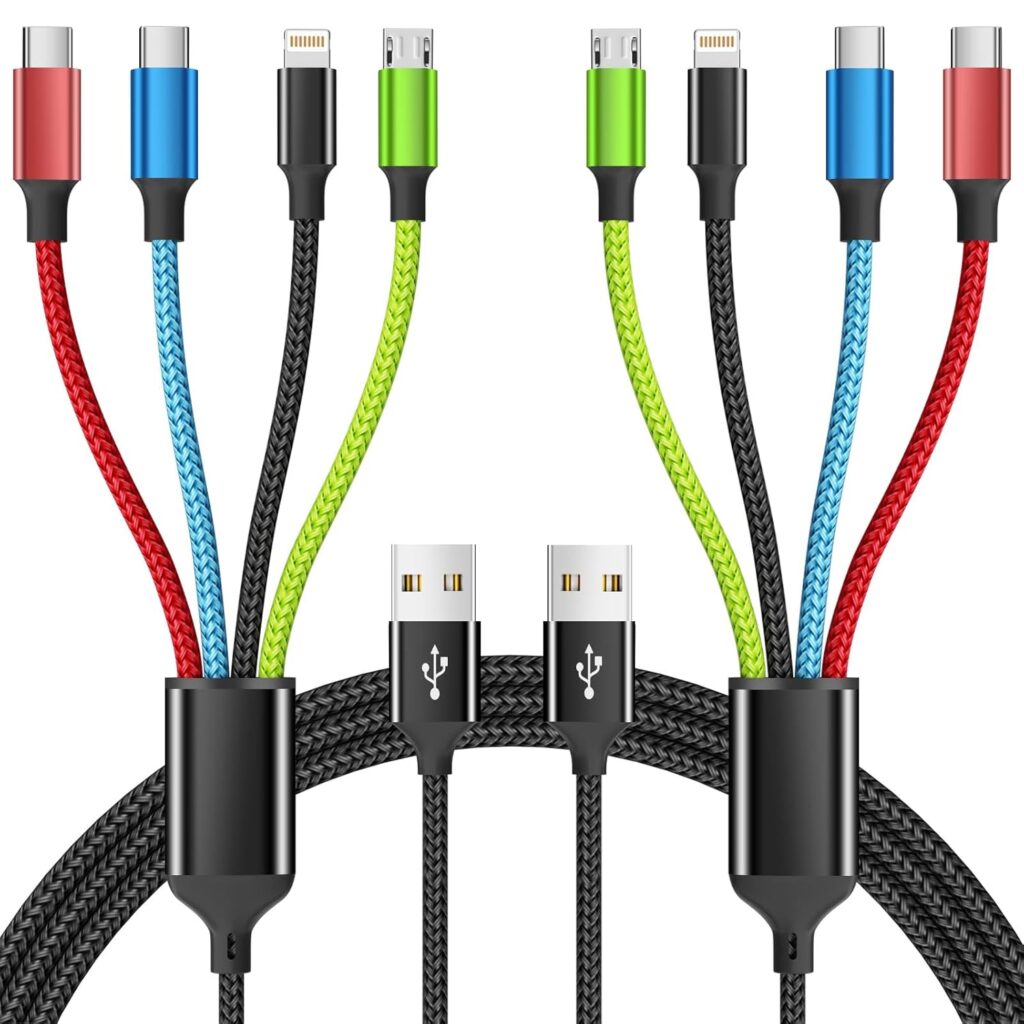
Most modern phones, watches, tablets, power banks, cameras, e-readers, etc., are designed for use with a USB charging cord. Without getting technical(ummm…nurse…), USB (Universal Serial Bus) cords were originally designed to transfer data, and also to transfer low voltage power. In simple terms, USB cords are designed to carry only a limited amount of power or voltage. That amount is generally, but not always, 5 volts. USB cords cannot carry the 120V that comes from US outlets, or the 240V that comes from overseas outlets. This is where a charging brick comes in. In the US, devices that use or charge with USB cords often come with a charging brick, which, when plugged into a standard 120V outlet, converts 120V down to the 5V that the USB cord can carry. Most charging bricks are dual voltage, means they can convert 120V or 240V down to 5V for use with a USB cord to charge your device. Check your charging brick for the fine print (it should say 120V/240V or “dual voltage”) to ensure it can be used overseas. If using the charging brick with your USB cord, you will of course, need an outlet adapter for that specific country’s outlet.
If you plug your USB cord directly into a USB receptacle without using the charging brick, that receptacle is wired to convert 120V to the 5V needed for the cord. If you are overseas, USB receptacles are wired to convert 240V to 5V, so no worries about power or voltage when you use USB receptacles in other countries. Any device that uses or charges with a USB cord will be safe to plug in to a USB port overseas from a power and voltage perspective. This is true for all USB cords: USB-A, USB-C, USB-mini, and USB-micro. (Note: USB outlets can be compromised by scammers and may be unsafe from a data perspective. More on that in this article.)
I always travel with a fan, and have a small fan that is labeled 5V and runs on a USB cord. (I would link it here, but it is no longer listed on Amazon.) I have used it many times overseas, with and without the charging brick. However, years ago, I burned up a 120V fan with a US Type A plug by using an adapter to plug it in overseas. I didn’t know the difference at the time. Learn from my mistakes! I have made them all.
Which adapters do we use?
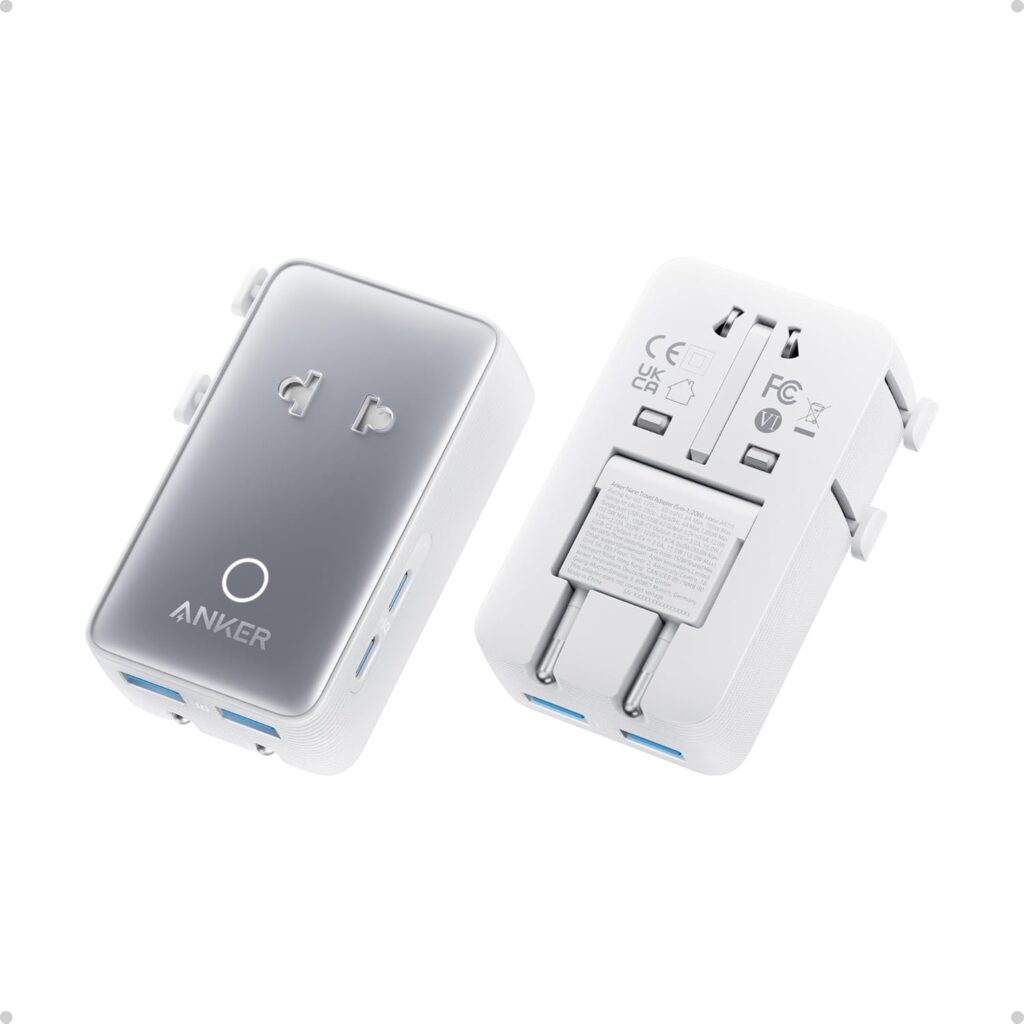
Our favorite universal outlet adapter for international travel is this one made by Anker. It is lightweight at less than 4 ounces, compact at roughly 3” X 2” X 1”, and can be used in over 200 countries. This adapter is NOT a voltage converter.
This adapter has one outlet that will accept US Type A (non grounded) polarized plugs (with one prong slightly larger than the other), and Euro Type C plugs. It also has two USB-A ports and two USB-C ports, so you can plug in a total of 5 devices at the same time if needed. This is important as so many of us carry a phone, watch, tablet, e-reader, power bank, and a camera that all need to be charged, often overnight while we are sleeping. By flipping down or sliding a lever, it is equipped with four different plugs for adapting your US Type A plugs to the following outlets:
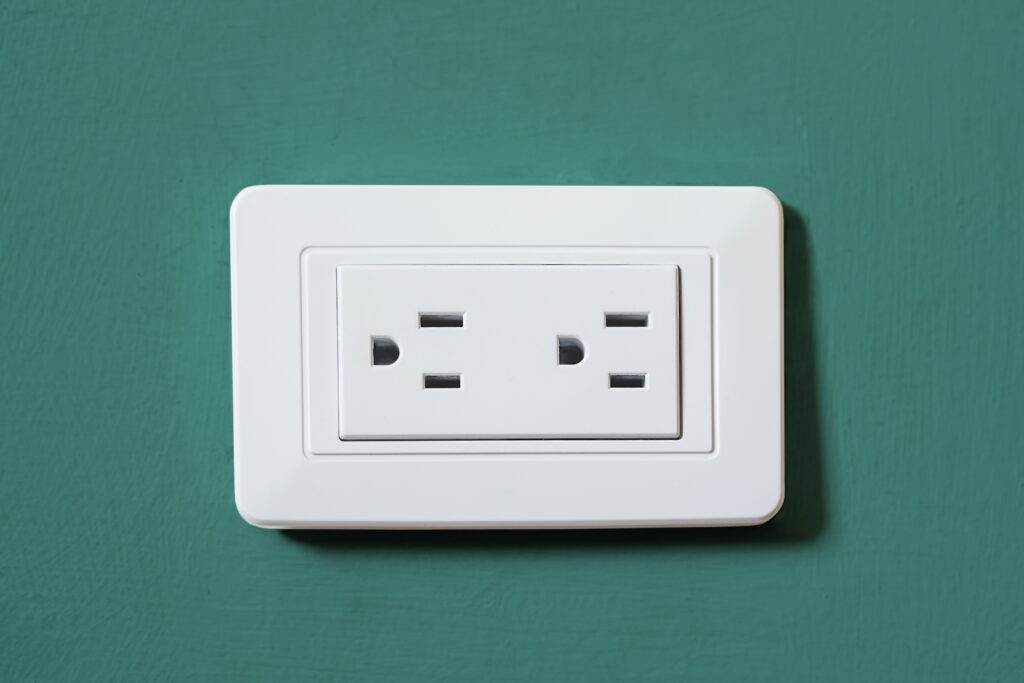
Type A/B outlet for USA, Mexico, Canada, and Japan
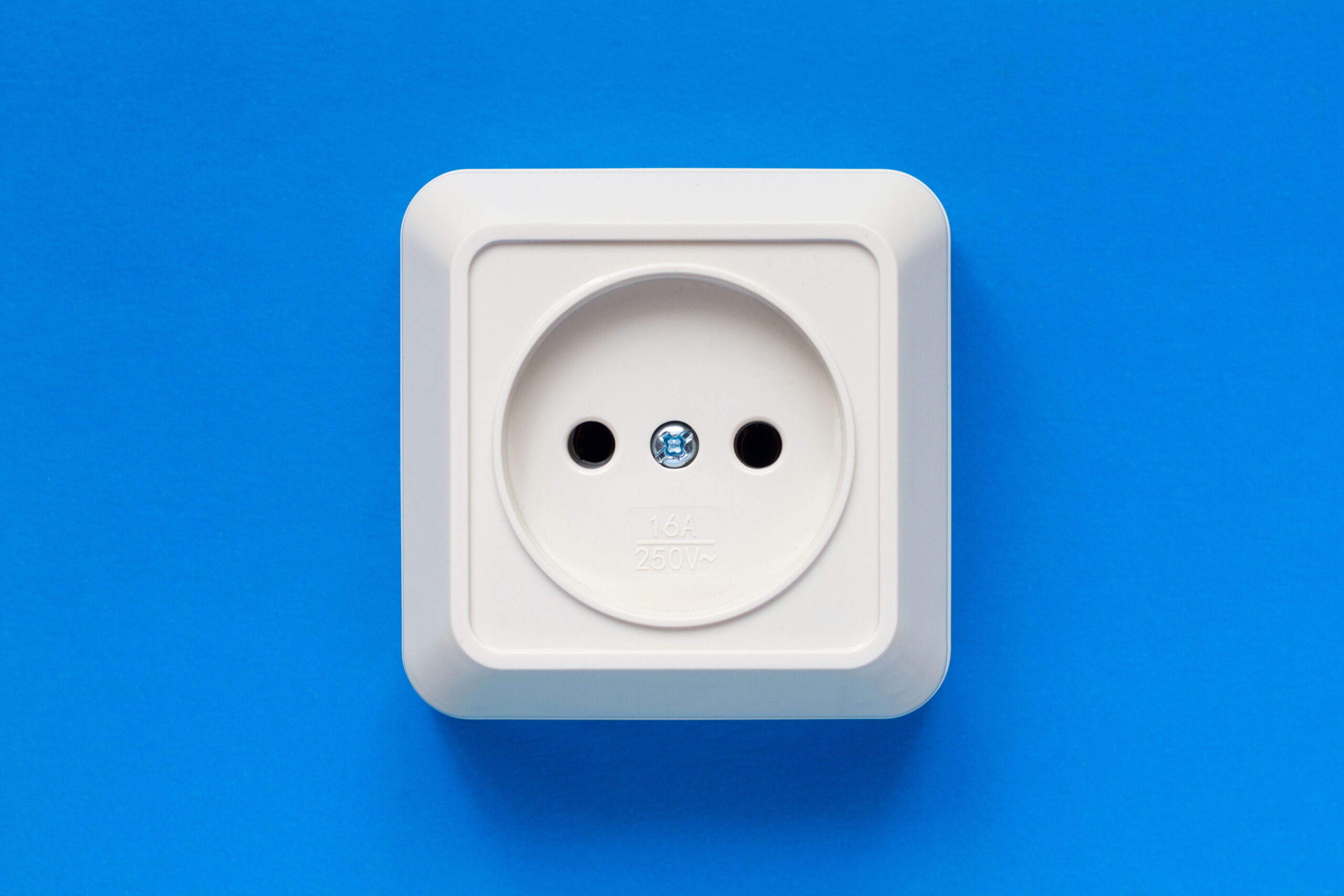
Type C outlet for most of Europe
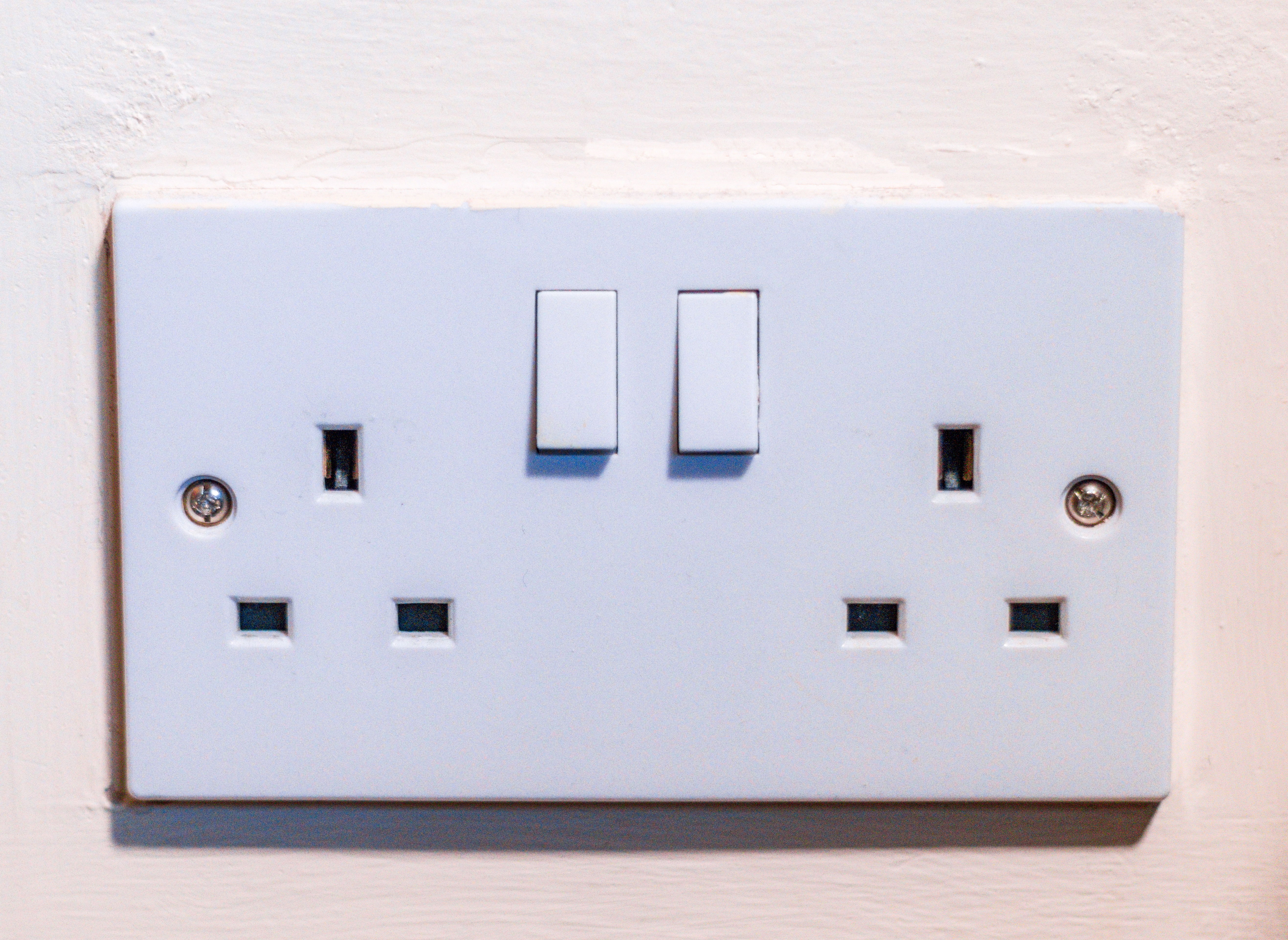
Type G outlet for the UK, Ireland, Hong Kong, Malaysia, and Singapore
Type I outlet for Australia, New Zealand, Argentina, and China
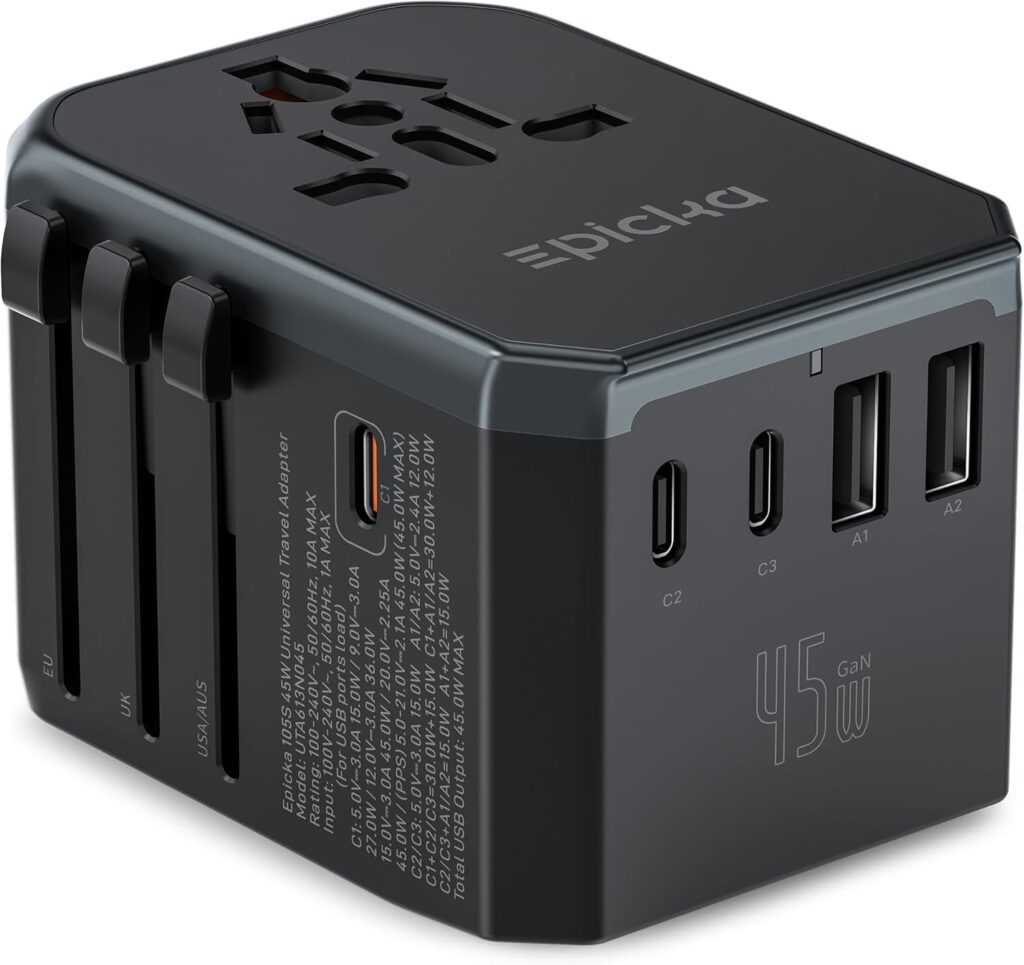
Honorable mention is this one from Epicka, with two USB-A ports and three USB-C ports, along with a universal outlet that can accept Type A/B, Type C, Type G, and Type I plugs. While it is larger and heavier, it can accept more plug types than the Anker. This one comes in handy overseas if your accommodations have limited outlets. You can plug this into the wall, then plug the bedside table lamp (with Type A, C, G, and I plugs) into this one, and still have the USB ports available for charging.
Other adapters and brands are available in different configurations to fit your needs. Some come with more USB-A ports, some come with more USB-C ports, and some come with USB-micro ports as well. Depending on where you travel and which devices you need to plug in, look for an adapter with the configuration to fit your travel needs.
Please note that neither the Anker and Epicka universal adapters work with Type D or Type M plugs found in India and some regions in Africa. You will need to purchase separate adapters for these. We purchased this Type D and this Type M for a trip to Africa.
Summary
If you travel with devices or appliances with standard US Type A plugs, you will need an outlet adapter to use or charge these devices overseas. Please check your devices to ensure they have the proper voltage to be used safely overseas. Try the Anker and Epicka adapters we recommend above and let us know how you like them.
Like what you read? Hate it? Please leave us a comment below, but don’t be bitchy. Happy Travels! (Your email address will not be published.)